

Most people have experienced it at some point.
You finish a meal feeling satisfied, only to find yourself searching for something sweet or salty an hour later. The hunger isn’t always intense, but the craving is there. Before long, a small snack turns into several handfuls of whatever happens to be nearby.
While many factors can influence hunger, one nutrient often gets overlooked when people talk about staying full: fiber.
Unlike trendy nutrition hacks or short-term diet plans, fiber has quietly remained one of the most important parts of a balanced diet. It’s found naturally in many everyday foods and plays a valuable role in supporting fullness, digestive health, and overall nutrition.
The good news is that increasing fiber intake doesn’t require complicated meal plans or expensive foods.
In many cases, it simply means choosing foods that nature already provides.
Why Fiber Matters
Fiber is a type of carbohydrate found in plant foods that the body doesn’t fully digest.
While that might sound unusual, it’s actually one of the reasons fiber is so valuable.
Because fiber moves through the digestive system differently than many other nutrients, it can help create a greater feeling of fullness after meals. This is one reason dietary fiber benefits are frequently discussed in modern digestive health nutrition resources.
Foods rich in fiber often take longer to eat, require more chewing, and contribute to more satisfying meals.
For people who constantly feel hungry between meals, increasing fiber intake may be one of the simplest improvements they can make.
Oats: A Powerful Start to the Day
Few breakfast foods have earned as much attention as oats.
They’re affordable, versatile, and naturally rich in fiber. A bowl of oatmeal can provide a satisfying start to the morning while pairing easily with fruits, nuts, seeds, and other nutritious ingredients.
Many experts discussing high-fiber foods frequently recommend oats because they help create meals that feel substantial without being overly complicated.
A simple breakfast built around oats often provides a different experience than highly processed breakfast foods that may leave people hungry again shortly afterward.
Fruits That Keep Hunger in Check
Fruit is sometimes underestimated when it comes to fullness.
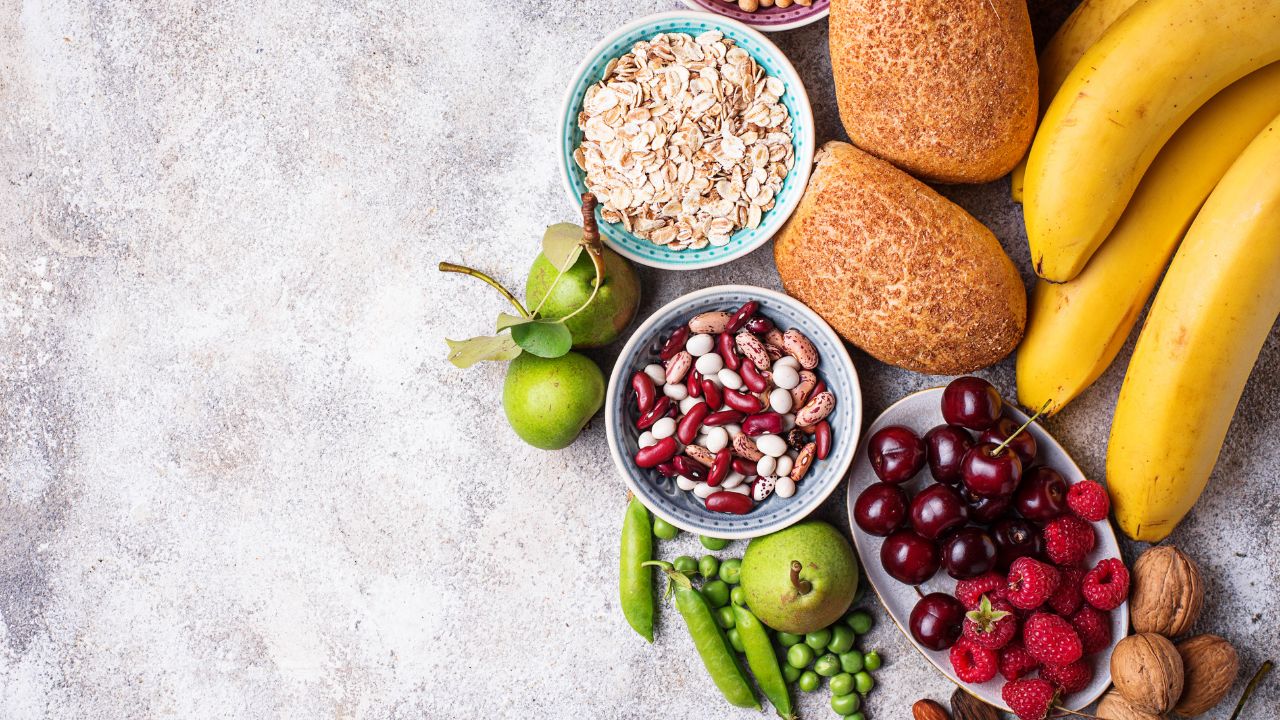
Many fruits naturally contain fiber along with water, vitamins, minerals, and plant compounds. Apples, pears, berries, oranges, and bananas are all excellent examples.
Because they combine nutrition with convenience, fruits are often highlighted in discussions about whole food nutrition and healthy eating habits.
An apple paired with a handful of nuts or a bowl of berries added to yogurt can create a satisfying snack that feels both nutritious and enjoyable.
The key is choosing whole fruits rather than relying entirely on juices, which often contain less fiber.
Vegetables Bring More Than Nutrients
Vegetables are frequently praised for their vitamins and minerals, but their fiber content deserves attention too.
Leafy greens, broccoli, carrots, cauliflower, cabbage, Brussels sprouts, and many other vegetables contribute fiber while adding volume to meals.
This combination is one reason vegetables are often featured in healthy eating tips and balanced meal recommendations.
A plate filled with colorful vegetables not only looks more appealing but often feels more satisfying as well.
Adding extra vegetables to soups, salads, stir-fries, and grain bowls can be one of the easiest ways to increase fiber intake without dramatically changing eating habits.
Beans and Lentils Deliver a Powerful Combination
If there were a list of foods specifically designed to promote fullness, beans and lentils would likely be near the top.
They provide both fiber and protein, creating a combination that many people find especially satisfying.
Professionals discussing fiber-rich meals frequently highlight legumes because they fit into so many different eating styles. They can be added to soups, salads, wraps, curries, grain bowls, and countless other dishes.
Beyond nutrition, they’re affordable, versatile, and widely available.
That’s a combination that’s hard to ignore.
Whole Grains Make a Difference
Not all grains are created equal.
Whole grains retain more of their natural components compared to heavily refined options, which is one reason they’re often included in nutrition information and healthy eating guidance.
Foods such as brown rice, quinoa, barley, bulgur, and whole-grain bread can contribute additional fiber while helping create more balanced meals.
Many people notice that meals built around whole grains feel more satisfying than meals dominated by highly refined carbohydrates.
Small swaps can sometimes create meaningful differences over time.
Nuts and Seeds as Smart Additions
Nuts and seeds may be small, but they can make a valuable contribution to a balanced eating pattern.
Almonds, walnuts, pistachios, chia seeds, flaxseeds, and sunflower seeds all provide nutrients while contributing fiber and texture to meals.
They’re easy to add to oatmeal, yogurt, salads, smoothies, or snacks.
Many resources focused on healthy gut habits encourage incorporating a variety of plant foods, and nuts and seeds fit naturally into that approach.
Their crunch and flavor also make healthy meals more enjoyable.
Building Fiber Into Everyday Meals
One reason people struggle with nutrition is that they often assume healthy eating requires dramatic change.
In reality, many improvements happen through small adjustments.
Choosing oatmeal instead of sugary cereal.
Adding fruit to breakfast.
Including an extra serving of vegetables at dinner.
Swapping refined grains for whole grains.
Adding beans to soups or salads.
None of these changes are extreme.
But together, they can significantly increase fiber intake while supporting more balanced eating habits.
Supporting Long-Term Wellness
Good nutrition isn’t about one meal.
It’s about the patterns people follow consistently over time.
Many individuals interested in healthy lifestyle habits focus on increasing their intake of plant foods because they naturally provide fiber along with many other beneficial nutrients.
Others explore balanced eating habits as part of a broader effort to improve overall wellness.
The specific goals may differ, but the underlying principle remains the same.
Small improvements practiced consistently often create the biggest long-term results.
Final Thoughts
Fiber may not receive as much attention as protein or other popular nutrition topics, but its impact should not be underestimated.
From oats and fruits to vegetables, beans, whole grains, nuts, and seeds, fiber-rich foods can help create meals that feel more satisfying while supporting overall dietary quality.
The best part is that many of these foods are already familiar, affordable, and easy to include in everyday meals.
Rather than searching for complicated nutrition solutions, consider starting with something simple.
Add a little more fiber to your plate.
You may be surprised by how much difference it makes.
Frequently Asked Questions
What is fiber?
Fiber is a type of carbohydrate found in plant foods that the body does not fully digest.
Which foods contain the most fiber?
Oats, fruits, vegetables, beans, lentils, whole grains, nuts, and seeds are among the most common fiber-rich foods.
Can fiber help with fullness?
Many people find that fiber-rich foods help create a greater sense of satisfaction after meals.
Are fruits a good source of fiber?
Yes. Apples, pears, berries, oranges, and many other fruits naturally contain fiber.
What are whole grains?
Whole grains are grains that retain more of their original components compared to refined grains.
How can I increase fiber intake?
Adding fruits, vegetables, oats, beans, lentils, whole grains, nuts, and seeds to meals is one of the easiest ways to increase dietary fiber.