

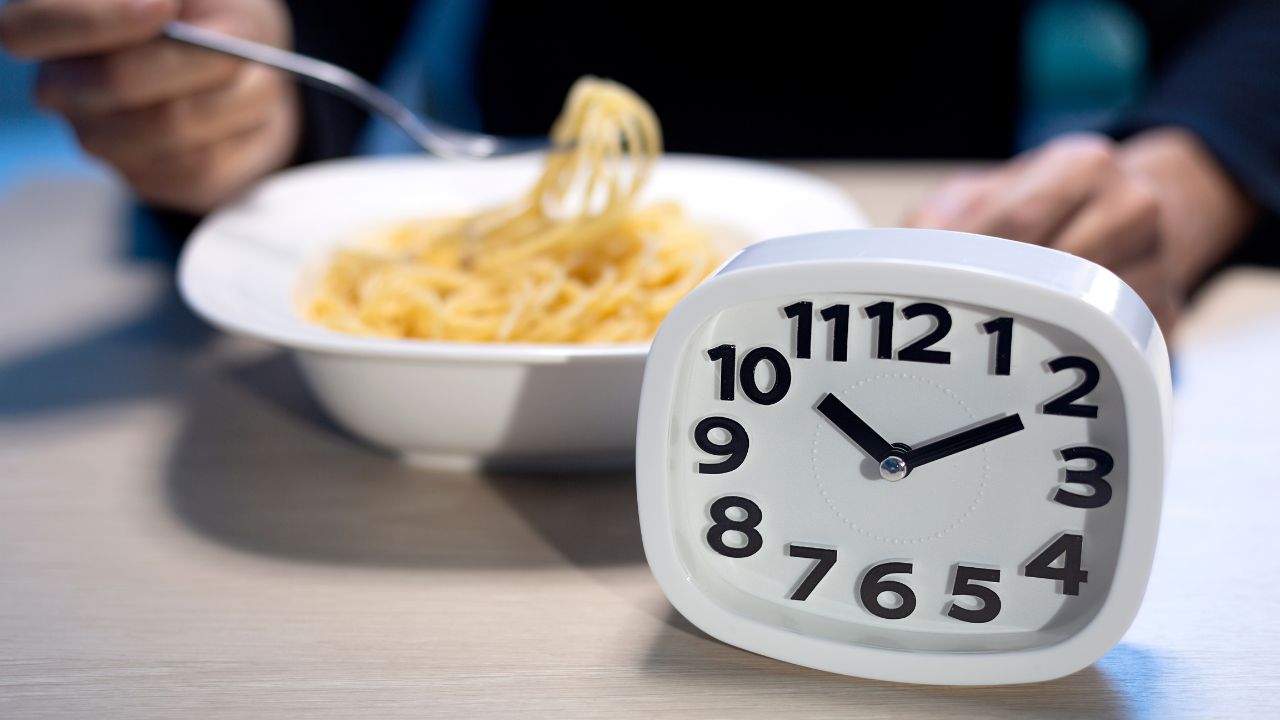
When people think about weight loss nutrition, they usually focus on what foods they should eat. However, another question often comes up: does meal timing matter?
Some people prefer eating three large meals a day. Others like smaller meals spread throughout the day. There are also people who skip breakfast or avoid eating late at night.
The truth is that meal timing can influence hunger, energy levels, and eating habits. While meal timing alone won’t cause weight loss, it can make it easier or harder to maintain a calorie deficit.
The good news is that you don’t need a complicated schedule. Understanding a few basic principles can help you build healthy eating habits that support healthy weight loss.
Does Meal Timing Really Matter for Weight Loss?
Meal timing can matter, but not in the way many people think.
The most important factor for weight loss is still maintaining a calorie deficit. If you consistently consume fewer calories than your body uses, weight loss can occur.
However, meal timing may affect how hungry you feel throughout the day and how easy it is to stick to your healthy eating plan.
Some people feel better eating regular meals, while others prefer fewer meals. The best approach is often the one that helps you stay consistent.
Is Breakfast Important for Weight Loss?
Breakfast is one of the most debated topics in nutrition for weight loss.
Some people feel energized after eating breakfast and find it easier to manage hunger throughout the day. Others prefer waiting until later to eat.
There is no single rule that works for everyone.
The important thing is choosing a routine that helps you maintain healthy eating habits and avoid overeating later in the day.
If breakfast helps you stay satisfied and focused, it may be worth including in your routine.
Can Skipping Meals Slow Weight Loss?
Many people skip meals because they believe it will help them lose weight faster.
Sometimes this works temporarily, but it can also backfire.
When people become extremely hungry, they may end up eating larger portions later in the day. This can make it harder to maintain a balanced diet and support weight management.
Regular meals can help some people control hunger and make better healthy food choices.
The goal is not to eat constantly but to find a schedule that works for you.
Does Eating Late at Night Cause Weight Gain?
This is one of the most common weight loss myths.
Eating late at night does not automatically cause weight gain. What matters most is your tota calorie intake throughout the day.
However, late-night eating can sometimes lead to consuming extra calories because people often choose high-calorie snacks while relaxing or watching television.
If evening snacks are causing you to exceed your calorie goals, reducing them may support healthy weight loss.
The focus should be on overall eating habits rather than the clock.
Are Smaller Meals Better Than Large Meals?
There is no perfect answer.
Some people enjoy eating three larger meals each day. Others prefer several smaller meals.
Both approaches can work.
The best choice depends on what helps you control hunger and stay consistent with your nutrition goals.
If smaller meals help you avoid overeating, they may be useful. If larger meals keep you satisfied longer, that can work too.
Consistency is usually more important than meal frequency.
Can Meal Timing Affect Hunger?
Yes.
Long gaps between meals can sometimes make people feel extremely hungry, which may lead to overeating later.
On the other hand, eating too frequently can also make it difficult for some people to manage calorie intake.
Finding a routine that keeps your hunger manageable can support nutrition for weight loss and make healthy eating easier.
Everyone is different, so it may take some experimentation to find what works best.
Should You Eat Before or After Exercise?
Both options can work.
Some people prefer eating before exercise because it gives them energy. Others feel more comfortable exercising first and eating afterward.
The most important thing is making sure your overall healthy nutrition supports your activity level and health goals.
There is no single meal timing strategy that works for everyone.
Focus on what helps you feel your best and stay consistent.
What Is the Best Meal Timing Strategy?
The best strategy is usually the one you can maintain for long-term weight loss.
A simple schedule with regular meals often works well for many people. It helps reduce extreme hunger and supports better healthy food choices throughout the day.
You do not need a complicated plan.
Building a routine around your lifestyle is often more effective than trying to follow strict meal timing rules.
Frequently Asked Questions
Does meal timing affect weight loss?
Meal timing can influence hunger and eating habits, but a calorie deficit remains the most important factor.
Is breakfast necessary for weight loss?
Not necessarily. Some people benefit from breakfast, while others prefer eating later.
Can skipping meals help me lose weight?
Skipping meals may work for some people, but it can also increase hunger and lead to overeating.
Does eating at night cause weight gain?
Not automatically. Total calorie intake matters more than the time you eat.
Are smaller meals better than larger meals?
Both approaches can work. The best option depends on your preferences and hunger levels.
What is the best eating schedule for weight loss?
The best schedule is one that helps you maintain healthy eating habits consistently.
Final Verdict
Meal timing can influence hunger, energy levels, and eating habits, but it is not a magic solution for weight loss. The most important factor remains maintaining a calorie deficit through sustainable eating habits.
Whether you prefer three meals a day or several smaller meals, the key is finding a routine that supports healthy weight loss and fits your lifestyle.
Instead of focusing on perfect meal timing, focus on building healthy eating habits, choosing healthy food choices, and staying consistent. Small habits practiced every day often lead to the best long-term results.