
If you’ve ever searched for natural ways to lose weight, you’ve probably come across green tea.
Green tea is often promoted as a simple drink that can “boost metabolism,” “burn fat,” or help you lose weight without changing much else. But how much of this is actually supported by science?
The answer is a little more complicated.
Green tea may have a small and modest effect on body weight and fat loss, mainly because it contains caffeine and naturally occurring compounds called catechins, particularly epigallocatechin gallate (EGCG). However, drinking green tea alone is unlikely to produce significant weight loss.
A healthy eating pattern, regular physical activity, adequate sleep, and a sustainable calorie deficit remain much more important for long-term weight management.
In this article, we’ll look at what research says about green tea and weight loss, how it may affect metabolism, whether it can help reduce belly fat, how much you should drink, common mistakes to avoid, and what you can realistically expect.
A Real-Life Story: When Green Tea Became Part of a Weight-Loss Routine
Imagine someone who decides they want to lose weight.
They start replacing sugary soft drinks with unsweetened green tea. They also begin walking regularly, eating more vegetables and protein, and paying more attention to portion sizes.
After several weeks, they notice that their weight is gradually decreasing.
It can be tempting to think that green tea caused the weight loss.
But that’s probably not the whole story.
The green tea may have helped by replacing a higher-calorie drink and becoming part of a healthier daily routine. The walking, food choices, overall calorie intake, and consistency were likely much more important.
This is a useful way to think about green tea.
Green tea can be a helpful addition to a weight-loss routine, but it shouldn’t be treated as the reason weight loss happens.
What Does the Science Say About Green Tea and Weight Loss?
Green tea contains caffeine and catechins, which have been studied for their possible effects on energy expenditure and fat oxidation.
Some research suggests that green tea preparations may produce a small reduction in body weight, but the effect is generally modest.
A Cochrane review examining green tea preparations for weight loss found that the reduction in weight among adults who consumed green tea preparations was very small and was unlikely to be clinically important. Cochrane review on green tea for weight loss
Similarly, research examining green tea catechins and caffeine has suggested that they may have a small effect on body weight and fat oxidation, but they should not be considered a powerful weight-loss treatment.
This distinction is important.
Green tea may support weight management, but it doesn’t replace the fundamentals of fat loss.
Why Might Green Tea Help With Weight Management?
There are several possible explanations for the relationship between green tea and weight management.
1. Green Tea Contains Catechins
Green tea is rich in naturally occurring compounds called catechins.
One of the best-known catechins is EGCG.
Researchers have investigated whether these compounds can influence processes involved in energy expenditure and fat metabolism.
However, the effects observed in studies are generally modest.
That means drinking green tea shouldn’t be viewed as a shortcut to rapid fat loss.
2. Green Tea Contains Caffeine
Green tea naturally contains caffeine.
Caffeine can temporarily increase alertness and may have a small effect on energy expenditure.
For some people, this may make it easier to stay active or feel more energetic during the day.
However, caffeine isn’t unique to green tea. Coffee and other caffeinated beverages also contain it.
And more caffeine doesn’t necessarily mean more weight loss.
3. It Can Replace High-Calorie Drinks
This may be one of the most practical benefits of green tea.
A cup of unsweetened green tea contains very few calories.
If you normally drink sugary soda, sweetened coffee, milkshakes, or other calorie-containing beverages, replacing some of them with unsweetened green tea can reduce your overall calorie intake.
For example:
Sugary drink → Unsweetened green tea
This simple substitution may be more meaningful for weight management than any direct fat-burning effect from green tea itself.
Can Green Tea Increase Your Metabolism?
This is one of the most common claims about green tea.
Green tea catechins and caffeine may slightly increase energy expenditure in some circumstances.
However, the increase isn’t large enough to turn green tea into a significant fat-burning solution.
Your metabolism is influenced by many factors, including:
- Body size
- Age
- Muscle mass
- Physical activity
- Food intake
- Genetics
- Sleep
- Hormonal factors
Drinking a cup of green tea doesn’t override these factors.
Therefore, it’s better to think of green tea as a small potential contributor rather than a metabolism booster that dramatically changes calorie burning.
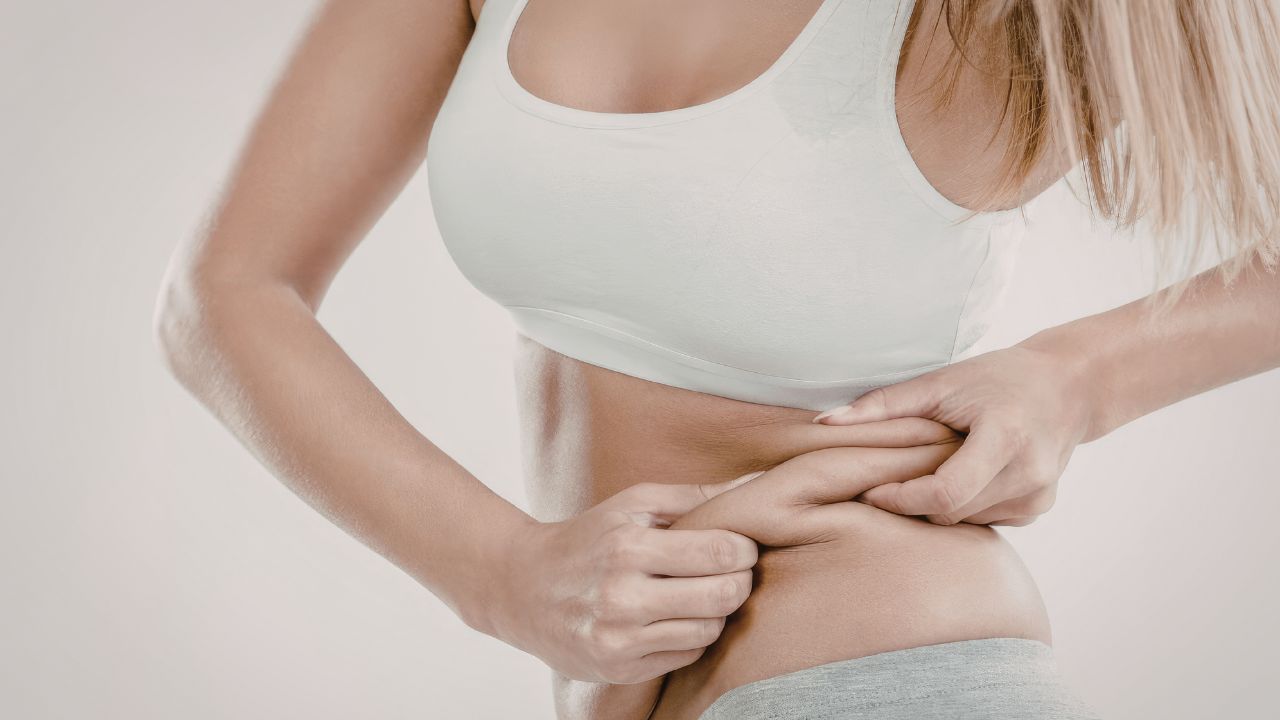
Can Green Tea Help Burn Belly Fat?
You may have seen claims that green tea specifically targets belly fat.
Unfortunately, there is no reliable evidence that drinking green tea allows you to selectively burn fat from your stomach.
Your body doesn’t choose exactly where fat comes off first.
When you lose body fat, the amount lost from your abdomen, hips, thighs, arms, or other areas depends largely on individual biology.
Green tea may potentially contribute to overall weight or fat reduction to a small degree, but it cannot specifically target abdominal fat.
Remember:
You can’t choose where your body loses fat first.
A sustainable calorie deficit combined with physical activity is a much more reliable approach to reducing overall body fat.
How Much Green Tea Should You Drink for Weight Loss?
There isn’t a universally established amount of green tea that guarantees weight loss.
Many people can comfortably include 1–3 cups of unsweetened green tea per day as part of their normal diet.
However, the amount of caffeine you consume from all sources matters.
If you also drink coffee, energy drinks, or other caffeinated beverages, your total caffeine intake can become significant.
Green tea should therefore be viewed as a beverage that can fit into a healthy diet—not as something you need to drink in large quantities to lose weight.
Should You Drink Green Tea Before or After Meals?
There’s no strong evidence that drinking green tea at one specific time causes significantly more fat loss.
Some people enjoy drinking it:
- In the morning
- Between meals
- Before a workout
- As an afternoon replacement for sugary drinks
The best timing is generally the one that fits comfortably into your routine.
However, people who are sensitive to caffeine may want to avoid drinking caffeinated green tea close to bedtime.
Green Tea vs. Coffee for Weight Loss
Both green tea and coffee can contain caffeine.
Neither beverage should be considered a magic weight-loss drink.
The biggest difference may come from what you add to them.
For example, plain green tea is very low in calories.
Coffee can also be low in calories when consumed black, but adding large amounts of sugar, cream, syrups, or other calorie-dense ingredients can significantly change the calorie content.
So if your goal is weight management, focus less on which beverage is “better” and more on your overall eating and drinking pattern.
Does Adding Sugar Reduce the Benefits?
It can.
Green tea itself is naturally very low in calories.
But adding several teaspoons of sugar can increase the calorie content of your drink.
If you’re drinking multiple sweetened cups every day, those extra calories can add up.
If you enjoy sweetness, gradually reducing the amount of sugar may make it easier to transition to unsweetened tea.
You can also experiment with:
- Lemon
- Mint
- Cinnamon
- Ginger
These can add flavor without turning your tea into a high-calorie beverage.
Can Green Tea Alone Make You Lose Weight?
Probably not in any meaningful way.
This is perhaps the most important point in the entire article.
If someone drinks green tea every day but continues to consume more calories than their body needs, significant weight loss is unlikely.
On the other hand, someone who:
- Eats a balanced diet
- Controls portions
- Gets enough protein and fiber
- Walks regularly
- Exercises consistently
- Sleeps adequately
- Drinks mostly low-calorie beverages
may find green tea useful as part of that routine.
The overall pattern matters much more than the individual drink.
Green Tea and Exercise
Green tea can easily be combined with an active lifestyle.
For example, someone might have unsweetened green tea in the morning, walk for 30 minutes during the day, perform resistance training several times a week, and follow a balanced diet.
This approach is more realistic than expecting green tea to compensate for inactivity.
Exercise helps increase energy expenditure and supports muscle strength and cardiovascular health.
Green tea can simply be one small component of the routine.
Common Mistakes to Avoid
Mistake 1: Expecting Green Tea to Burn Fat Automatically
Green tea isn’t a fat-burning shortcut.
The potential effects on weight are small.
Mistake 2: Adding Too Much Sugar
If your goal is weight loss, regularly turning green tea into a sugary drink can work against your calorie goals.
Mistake 3: Drinking Excessive Amounts
More green tea isn’t necessarily better.
Large amounts of caffeine can cause problems such as:
- Difficulty sleeping
- Nervousness
- Restlessness
- Headaches
- Increased heart rate in sensitive individuals
Pay attention to your individual tolerance.
Mistake 4: Replacing Meals With Green Tea
Green tea isn’t a substitute for nutritious food.
Your body still needs adequate protein, carbohydrates, healthy fats, vitamins, minerals, and other nutrients.
Mistake 5: Buying “Fat-Burning” Green Tea Products
Be cautious with products that promise rapid weight loss.
Green tea supplements and concentrated extracts can contain much higher amounts of catechins than ordinary brewed tea. Concentrated green tea extracts have also been associated with rare cases of liver injury. National Center for Complementary and Integrative Health — Green Tea
For most people, ordinary brewed green tea is a simpler option.
Did You Know?
Green tea and black tea come from the same plant, Camellia sinensis.
The major difference is how the leaves are processed.
Green tea is generally processed in a way that prevents extensive oxidation, while black tea undergoes greater oxidation.
This difference affects the flavor, color, and composition of the final beverage.
Green tea has also been consumed for centuries and is now one of the most widely consumed beverages worldwide.
A Simple Green Tea Weight-Loss Strategy
If you enjoy green tea and want to include it in a healthy weight-loss routine, keep things simple.
1. Choose Unsweetened Green Tea
This keeps the drink naturally low in calories.
2. Replace Sugary Beverages
Use green tea as an alternative to soda or other calorie-heavy drinks.
3. Eat Balanced Meals
Include vegetables, fruits, whole grains, legumes, protein-rich foods, and healthy fats.
4. Stay Physically Active
Walking, strength training, cycling, swimming, or other enjoyable activities can help increase your overall activity level.
5. Prioritize Sleep
Poor sleep can make healthy eating and weight management more difficult.
6. Focus on Consistency
One cup of green tea won’t transform your body.
A healthy routine repeated over weeks and months is what matters.
Frequently Asked Questions
Does Green Tea Burn Belly Fat?
Green tea may have a small effect on overall body weight or fat, but there is no reliable evidence that it specifically targets belly fat.
How Many Cups of Green Tea Should I Drink for Weight Loss?
There is no specific number that guarantees weight loss. For many people, 1–3 cups of unsweetened green tea can fit comfortably into a healthy diet, depending on individual caffeine tolerance.
Can I Drink Green Tea Every Day?
For most healthy adults, moderate consumption of brewed green tea is generally considered safe. However, people who are sensitive to caffeine should monitor their intake.
Should I Drink Green Tea Before Exercise?
You can, if you tolerate caffeine well. However, green tea isn’t necessary for an effective workout.
Can Green Tea Replace Coffee for Weight Loss?
It can be a lower-calorie alternative to sweetened coffee drinks, but the main benefit comes from the overall calorie difference rather than green tea having a dramatic fat-burning effect.
Is Green Tea Better Than Water for Weight Loss?
Water is essential for hydration and contains no calories. Green tea can also be a low-calorie beverage, but it doesn’t replace the importance of drinking enough water.
Can Green Tea Help Me Lose Weight Without Exercise?
Green tea alone is unlikely to produce significant weight loss. Your overall calorie intake, diet, physical activity, and lifestyle habits are much more important.
Final Verdict
So, is green tea good for weight loss?
Yes, green tea can be a useful addition to a weight-management routine—but its effects are likely to be modest.
Its caffeine and catechins may have small effects on energy expenditure and body weight. More importantly, unsweetened green tea can replace higher-calorie beverages and help you maintain a lower-calorie drinking pattern.
But green tea isn’t a magic fat burner.
If your goal is sustainable weight loss, focus on the bigger picture:
Balanced nutrition + regular physical activity + adequate sleep + healthy habits + consistency
Think of green tea as a small supporting player rather than the main strategy.
You don’t need a special drink to lose weight. You need habits that you can realistically maintain over time.
This article is for general educational purposes and is not a substitute for individualized medical advice. If you have a medical condition, take medications, are pregnant or breastfeeding, or are considering concentrated green tea supplements, speak with a qualified healthcare professional before making significant changes.