
If you’ve ever tried to lose weight, you’ve probably heard the advice: “Drink more water.”
But can drinking more water actually help you lose weight?
The answer is yes, potentially but water isn’t a magic fat-burning drink.
Research suggests that increasing water intake may support weight management in several ways. Drinking water before meals may help some people consume fewer calories, while replacing sugary or high-calorie beverages with water can reduce overall calorie intake.
However, simply drinking large amounts of water without changing your overall eating and activity habits is unlikely to produce significant fat loss.
In this article, we’ll look at what science says about water and weight loss, whether drinking water before meals works, how much water you actually need, whether cold water burns more calories, and common hydration mistakes to avoid.
What Does the Science Say About Water and Weight Loss?
Scientists have studied several possible connections between water consumption and body weight.
One area of research focuses on drinking water before meals.
Some studies suggest that drinking water before eating may increase feelings of fullness and reduce the amount of food consumed during a meal.
For example, research published in Obesity investigated adults with obesity who were instructed to drink water before their main meals. The researchers found greater weight loss in the group assigned to the pre-meal water strategy compared with the comparison group.
However, results across studies aren’t completely consistent.
This is important because weight loss is influenced by many factors, including food intake, physical activity, sleep, genetics, and long-term adherence.
So rather than thinking:
“Water burns fat.”
It’s more accurate to think:
“Water may make healthy weight management easier.”
A Real-Life Story: How a Simple Water Habit Made Weight Loss Easier
Consider the experience of Rahul, a fictional example based on a common weight-loss situation.
Rahul worked at a desk for most of the day and wanted to lose weight. His meals weren’t necessarily very large, but he regularly drank sweetened tea, soft drinks, and packaged fruit beverages throughout the day.
At first, he thought he needed a complicated diet plan.
Instead, he started with one simple change.
He began carrying a water bottle to work and replaced some of his sugary drinks with plain water. He also started drinking a glass of water before lunch and dinner.
He didn’t completely change his diet overnight.
Over the next few weeks, he noticed that he was drinking fewer sugary beverages and sometimes felt satisfied with smaller portions at meals. Because he was also trying to walk more regularly, these small changes became part of a broader routine.
Eventually, Rahul began noticing gradual changes in his weight.
The important point wasn’t that water itself burned a large amount of fat.
Rather, drinking more water helped him remove unnecessary beverage calories, become more aware of his eating habits, and maintain a healthier daily routine.
This is how hydration can realistically fit into a weight-loss plan: as a simple habit that supports other healthy behaviors.
1. Water Can Replace High-Calorie Drinks
One of the simplest ways water may help with weight loss is by replacing calorie-containing beverages.
Consider drinks such as:
- Soft drinks
- Sweetened fruit drinks
- Sugary coffee
- Sweetened tea
- Energy drinks
- High-calorie shakes
These beverages can add calories without necessarily making you feel as full as a solid meal.
Replacing some of them with plain water can therefore reduce your overall calorie intake without requiring major changes to your meals.
For someone trying to lose weight, this can be a practical strategy.
You don’t necessarily need to eliminate every enjoyable drink. Instead, making water your default beverage can help reduce unnecessary calories throughout the day.
2. Drinking Water Before Meals May Help You Eat Less
Another possible benefit is drinking water before meals.
The idea is relatively simple.
Drinking water before eating may temporarily increase stomach volume and contribute to a feeling of fullness.
Some research has found that drinking water before meals can reduce food intake in certain people.
You might try drinking a glass of water around 20–30 minutes before a meal and then eating normally.
However, this shouldn’t be treated as a guaranteed appetite-control method.
Some people may notice a difference, while others may not.
The goal isn’t to fill your stomach with water so you can avoid eating. The goal is simply to stay hydrated and potentially make portion control easier.
3. Does Water Increase Metabolism?
This is one of the most commonly discussed claims about drinking water.
You may have heard that water can “boost your metabolism.”
There is some evidence that drinking water can temporarily increase energy expenditure under certain conditions.
However, the effect appears to be relatively small.
Therefore, drinking water shouldn’t be viewed as a major fat-burning strategy.
Your overall calorie balance, food choices, physical activity, and long-term habits remain much more important for weight loss.
4. Can Cold Water Burn More Calories?
Another popular claim is that drinking cold water makes your body burn additional calories because your body has to warm the water to its normal temperature.
Your body does use some energy for temperature regulation.
However, the amount involved is very small.
Therefore, drinking ice-cold water isn’t a realistic weight-loss strategy.
If you enjoy cold water, drink it.
If you prefer room-temperature water, that’s perfectly fine too.
The best water temperature is the one that helps you stay comfortably hydrated.
5. Water Can Support Exercise Performance
Hydration becomes particularly important when you’re physically active.
Your body loses water through sweat, especially during exercise and hot weather.
If you’re dehydrated, you may experience:
- Fatigue
- Headache
- Reduced exercise performance
- Dizziness
- Difficulty concentrating
Staying adequately hydrated can therefore help you maintain your normal physical activity.
And regular physical activity is an important part of healthy weight management.
Water doesn’t replace exercise but it can help you exercise comfortably and consistently.
How Much Water Should You Drink for Weight Loss?
There isn’t one exact amount of water that every person needs.
Your fluid requirements can vary depending on:
- Body size
- Physical activity
- Climate
- Temperature
- Diet
- Sweating
- Pregnancy or breastfeeding
- Certain health conditions
Your body also gets water from foods such as fruits, vegetables, soups, yogurt, and other foods.
For many healthy adults, drinking regularly throughout the day and responding to thirst is a practical approach.
If you’re exercising heavily or spending considerable time in hot weather, your fluid needs may be higher.
The goal isn’t to drink as much water as possible.
The goal is adequate hydration.
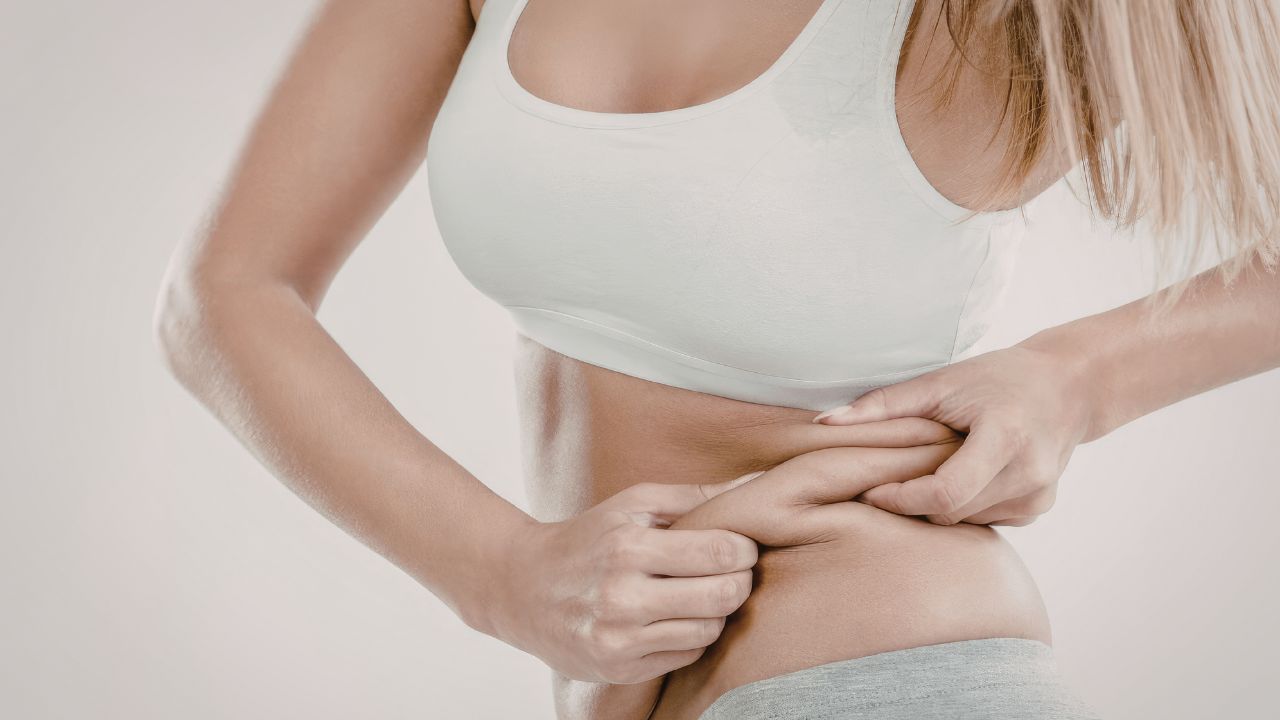
Can Drinking Water Help You Lose Belly Fat?
This is where expectations need to be realistic.
Water cannot specifically target belly fat.
You can’t choose where your body loses fat simply by drinking more water.
When you lose body fat, where it comes off first depends on several factors, including genetics, age, sex, and overall body composition.
Water may support the process indirectly by helping you manage calorie intake and stay active.
But if your goal is to reduce abdominal fat, focus on your overall weight-management strategy rather than a specific drink.
Water vs. Other Drinks for Weight Loss
If weight loss is your goal, your beverage choices can make a difference.
Plain Water
- Zero calories
- Supports hydration
- Easy to access
- Can replace sugary drinks
Unsweetened Tea
- Generally very low in calories
- Provides fluids
- Can be an alternative to sweetened beverages
Black Coffee
- Very low in calories without added sugar or cream
- Contains caffeine
- Can be part of a healthy diet for many people
Sugary Soft Drinks
- Often contain substantial amounts of added sugar
- Can contribute significant calories
- May be easy to consume quickly
Sweetened Tea or Coffee
- Calories can increase depending on sugar, cream, syrups, or other additions
The biggest advantage of water is simple:
It provides hydration without adding calories.
Common Mistakes When Drinking Water for Weight Loss
Drinking water is generally simple, but several mistakes are worth avoiding.
Mistake 1: Thinking More Water Means More Weight Loss
Drinking excessive amounts of water doesn’t automatically increase fat loss.
Your body needs an appropriate amount not unlimited amounts.
Mistake 2: Using Water to Avoid Eating
Water can sometimes help with fullness, but it shouldn’t replace nutritious meals.
Your body still needs adequate calories, protein, vitamins, minerals, and other nutrients.
Mistake 3: Ignoring Sugary Drinks
If you’re drinking plenty of water but still consuming large amounts of sugary beverages, the overall calorie reduction may be limited.
Look at your complete beverage intake.
Mistake 4: Waiting Until You’re Extremely Thirsty
Regular hydration throughout the day is generally more practical than drinking very large amounts at once.
Mistake 5: Believing Lemon Water Burns Fat
Lemon can make water more enjoyable and provides a small amount of vitamin C.
But lemon water doesn’t have a special fat-burning effect.
Did You Know?
Your body is made up largely of water, and water is involved in many normal physiological processes.
It helps regulate body temperature, transport nutrients, support digestion, and maintain normal bodily functions.
That’s why hydration matters even if you’re not trying to lose weight.
You also don’t need expensive detox drinks or special “fat-burning” waters to stay hydrated.
Plain water is enough for most everyday situations.
A Simple Hydration Strategy for Weight Loss
If you’re trying to lose weight, your hydration routine doesn’t need to be complicated.
1. Start Your Day With Water
Have some water when you wake up and continue drinking regularly throughout the day.
2. Keep Water Nearby
Carry a reusable bottle when you’re working, studying, travelling, or exercising.
3. Try Water Before Meals
If drinking water before meals helps you feel comfortably satisfied, make it part of your routine.
4. Replace Some Sugary Drinks
Start small. Replace one calorie-containing beverage with water each day.
5. Pay Attention to Exercise
Drink according to your fluid needs when exercising or spending time in hot weather.
6. Don’t Force Excessive Amounts
More isn’t always better. Excessive water consumption can also be harmful.
Frequently Asked Questions
Can Drinking Water Really Help You Lose Weight?
Yes. Water may support weight loss by replacing calorie-containing beverages, potentially increasing fullness before meals, and supporting normal physical activity. However, water alone won’t cause significant fat loss without an appropriate overall lifestyle.
How Much Water Should I Drink a Day to Lose Weight?
There isn’t a universal amount specifically for weight loss. Fluid requirements vary according to factors such as activity level, climate, diet, and individual circumstances.
Does Drinking Water Before Meals Help With Weight Loss?
It may help some people consume fewer calories during meals. Research suggests potential benefits, although the effect isn’t guaranteed for everyone.
Can Water Burn Belly Fat?
No. Water cannot specifically burn belly fat. Reducing overall body fat generally requires a sustainable approach involving nutrition, physical activity, and other lifestyle habits.
Does Cold Water Burn More Calories?
Cold water may require your body to use a small amount of energy to warm it, but the effect is too small to make a meaningful difference to weight loss.
Is Lemon Water Better Than Plain Water for Weight Loss?
Not significantly. Lemon can improve the taste of water and provide some vitamin C, but lemon water doesn’t have a special fat-burning effect.
Can Drinking Water Reduce Hunger?
Water may temporarily increase feelings of fullness for some people, especially when consumed before meals. However, it shouldn’t be used as a replacement for nutritious food.
Final Verdict
So, can drinking more water help you lose weight?
Yes but mainly as a supporting habit.
Water can help because it contains no calories, can replace sugary beverages, may help some people feel fuller before meals, and supports normal physical activity.
But drinking more water isn’t a shortcut to fat loss.
A sustainable approach combines:
Balanced nutrition + regular physical activity + adequate hydration + good sleep + appropriate calorie intake + consistency
Instead of forcing yourself to drink an extreme amount of water, focus on making water your regular beverage and building habits you can maintain.
You don’t need a special detox drink or a “fat-burning” water. Sometimes, the simplest habit is the one you can stick with.