
If you’re trying to lose weight, you may have heard that carbohydrates are the first thing you should cut from your diet.
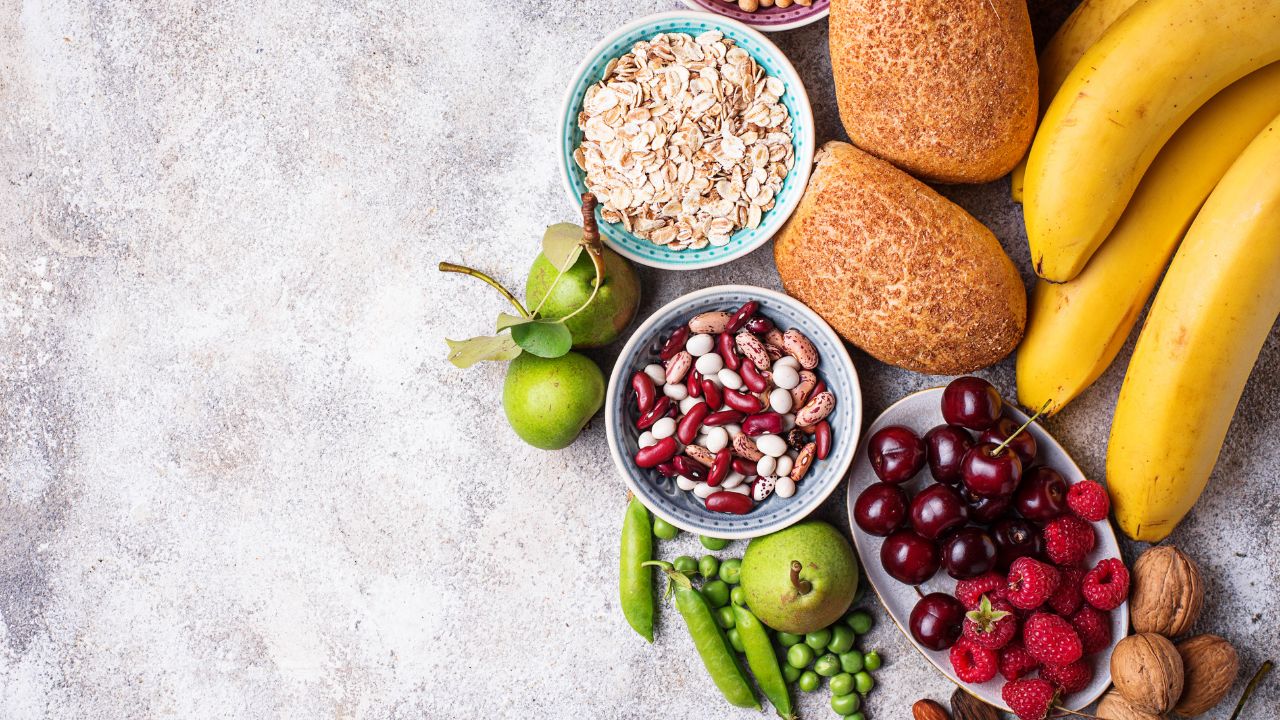
Low-carb diets and keto diets have become popular because many people believe that eating fewer carbohydrates automatically leads to faster fat loss. But carbohydrates are also found in many nutritious foods, including fruits, vegetables, beans, lentils, oats, potatoes, and whole grains.
So, are carbs actually good or bad for weight loss?
The answer isn’t simply “good” or “bad.”
Carbohydrates can absolutely be part of a healthy weight-loss diet. What matters more is the type of carbohydrates you eat, how much you eat, your overall calorie intake, and the quality of your diet.
Some carbohydrate-rich foods provide fiber, vitamins, minerals, and other nutrients. Other foods, particularly those high in added sugar and refined carbohydrates, can make it easier to consume excess calories.
In this article, we’ll look at what science says about carbohydrates and weight loss, whether low-carb diets are better, which carbs are better choices, whether you can eat rice and roti while losing weight, and how to include carbohydrates in a sustainable diet.
Quick Answer
If you’re looking for a simple answer:
Carbs are not automatically bad for weight loss.
You can lose weight while eating carbohydrates.
Weight loss generally occurs when you consistently consume fewer calories than your body uses over time. Carbohydrates are one part of that overall picture.
Foods such as:
- Fruits
- Vegetables
- Beans
- Lentils
- Oats
- Potatoes
- Whole grains
- Brown rice
can provide carbohydrates along with important nutrients.
The bigger concern is often highly processed carbohydrate-rich foods and drinks that are easy to overconsume.
So, instead of asking:
“Should I stop eating carbs?”
a better question is:
“Which carbohydrates should I eat, and how much?”
What Does the Science Say About Carbs and Weight Loss?
Research shows that reducing carbohydrate intake can help some people lose weight.
However, this doesn’t mean that carbohydrates themselves prevent weight loss.
Low-carbohydrate diets can work because they may help people reduce their overall calorie intake, increase protein intake, reduce highly processed foods, or control hunger.
A systematic review and meta-analysis published in JAMA Network Open examined randomized clinical trials comparing different carbohydrate-restricted diets and found that low-carbohydrate diets were associated with weight loss in adults with overweight or obesity.
However, the amount of carbohydrate restriction differed between studies, and weight-loss results varied.
This suggests that low-carb diets can be effective, but they are not necessarily the only effective approach to weight loss.
For many people, a balanced diet that includes appropriate amounts of carbohydrates can also support weight loss.
JAMA Network Open – Low-Carbohydrate Diet Research
Why Do Carbs Get a Bad Reputation?
Carbohydrates often get blamed for weight gain because many popular foods contain refined carbohydrates and added sugar.
For example:
- Cakes
- Cookies
- Candy
- Pastries
- Sugary drinks
- Sweetened cereals
- Desserts
- Many highly processed snacks
These foods can be high in calories and may provide relatively little fiber or protein.
But this doesn’t mean every carbohydrate-containing food is unhealthy.
Consider the difference between:
A bowl of oats with fruit
and
A sugary soft drink.
Both contain carbohydrates, but their nutritional value and effect on fullness are very different.
This is why it’s better to look at the quality of the food rather than labeling all carbohydrates as bad.
Are All Carbohydrates the Same?
No.
Carbohydrate-containing foods can be very different from one another.
1. Whole and Minimally Processed Carbohydrates
Examples include:
- Fruits
- Vegetables
- Beans
- Lentils
- Potatoes
- Oats
- Whole grains
These foods can provide carbohydrates along with fiber, vitamins, minerals, and other nutrients.
2. Refined Carbohydrates
Examples include:
- White bread
- Refined flour products
- Many baked goods
- Some refined cereals
- Certain types of refined pasta
These foods aren’t automatically unhealthy, but many refined products contain less fiber than their whole-grain alternatives.
3. Foods High in Added Sugar
Examples include:
- Soft drinks
- Candy
- Cakes
- Cookies
- Sweetened beverages
- Many desserts
These foods can be included occasionally, but eating them frequently or in large amounts can make calorie control more difficult.
Can You Eat Rice and Still Lose Weight?
Yes.
You don’t have to completely remove rice from your diet to lose weight.
Rice is a staple food for millions of people around the world, and it can fit into a healthy eating pattern.
The important factor is often portion size and what you eat with the rice.
For example:
Less balanced meal
Large serving of rice + very little protein + few vegetables
More balanced meal
Moderate serving of rice + dal + vegetables + salad
The second meal provides a broader combination of protein, fiber, carbohydrates, and other nutrients.
You don’t necessarily need to eliminate rice.
You may simply need to manage the portion.
Can You Eat Roti or Chapati While Losing Weight?
Yes.
Whole-wheat roti or chapati can be part of a weight-loss diet.
Instead of completely avoiding roti, consider how many you eat and what you eat with them.
For example:
Roti + vegetable sabzi + dal + curd
can provide a more balanced meal than:
Several rotis + calorie-dense curry + little protein or vegetables.
Your individual calorie needs will determine what portion is appropriate.
Can Carbs Cause Belly Fat?
Carbohydrates don’t specifically target your belly and cause fat to accumulate there.
Body-fat gain generally occurs when you consistently consume more energy than your body uses.
Where your body stores fat is also influenced by factors such as genetics and hormones.
Therefore, simply removing carbohydrates doesn’t guarantee that belly fat will disappear.
If reducing carbohydrates helps you eat fewer calories and maintain your diet more easily, you may lose weight.
But the same result can potentially be achieved with a balanced diet that includes carbohydrates.
Can Low-Carb Diets Help You Lose Weight?
Yes.
Low-carb diets can be effective for weight loss.
Some people find that eating fewer carbohydrates helps them:
- Reduce snacking
- Eat more protein
- Feel more satisfied
- Reduce sugary foods
- Control portions
However, low-carb eating isn’t suitable or enjoyable for everyone.
Some people prefer eating foods such as:
- Rice
- Roti
- Oats
- Potatoes
- Fruits
- Beans
- Lentils
and can still successfully lose weight.
The most useful diet is often the one you can follow consistently.
Why Does Weight Drop Quickly When You First Reduce Carbs?
This is an important point when comparing low-carb diets.
When carbohydrate intake drops significantly, the body uses stored glycogen.
Glycogen is stored together with water, so reducing carbohydrate intake can lead to a relatively quick reduction in body weight from changes in water storage.
That early change isn’t necessarily the same as losing the same amount of body fat.
This is one reason people may see a rapid drop on the scale when starting a very low-carb diet.
Over the longer term, sustainable fat loss still depends heavily on overall energy balance and adherence to the diet.
What Are the Best Carbs for Weight Loss?
There isn’t one single “best” carbohydrate.
However, many people can benefit from emphasizing minimally processed, fiber-rich carbohydrate sources.
Oats
Oats can make a filling breakfast when combined with protein and fruit.
Fruits
Whole fruits provide carbohydrates along with fiber, vitamins, minerals, and water.
Vegetables
Vegetables contain carbohydrates while also providing fiber and many micronutrients.
Beans and Lentils
Legumes provide both carbohydrates and protein, making them useful for balanced meals.
Potatoes
Potatoes can be nutritious and filling, particularly when prepared without excessive amounts of added fat.
Whole Grains
Whole grains such as oats, barley, and brown rice can provide more fiber than many refined grain products.
How Much Carbohydrate Should You Eat?
There isn’t a universal amount of carbohydrate that everyone should eat for weight loss.
Your needs depend on factors including:
- Age
- Body size
- Activity level
- Exercise routine
- Health status
- Weight-loss goals
- Personal preferences
Someone who exercises regularly may have different carbohydrate requirements from someone with a sedentary lifestyle.
Instead of focusing on a specific number without considering your individual situation, focus on the overall quality and balance of your diet.
If you have diabetes or another condition that requires specific dietary management, speak with a qualified healthcare professional or registered dietitian.
How to Build a Weight-Loss Meal With Carbs
A simple approach is to combine:
Protein + vegetables + carbohydrates + healthy fats
For example:
Breakfast
Oats + yogurt + fruit + a small amount of nuts
Lunch
Rice + dal + vegetables + salad
Snack
Fruit + yogurt
Dinner
Roti + vegetables + paneer, eggs, fish, chicken, or another protein source
The exact portions depend on your individual calorie requirements.
The goal is not to remove carbohydrates.
The goal is to create meals that are balanced, nutritious, and satisfying.
A Real-Life Experience
Imagine someone who has been trying to lose weight for several months.
They believe rice is the reason they aren’t losing weight, so they completely stop eating it.
Initially, their weight drops, partly because they are eating fewer calories and partly because reducing carbohydrates can reduce stored glycogen and associated water.
After a few weeks, however, they start missing rice and begin eating larger portions of other foods.
Eventually, they find the diet difficult to maintain.
Instead, they decide to reintroduce rice in a controlled portion.
Their meals now look like:
Moderate rice + dal + vegetables + salad
They continue exercising and pay attention to their overall food intake.
The important change wasn’t simply removing rice.
It was learning how to manage portion size and overall meal quality.
This is why sustainable weight loss doesn’t always require completely eliminating foods you enjoy.
Common Mistakes to Avoid
Mistake 1: Thinking All Carbs Are Bad
Not all carbohydrate-rich foods have the same nutritional value.
Whole foods such as fruit, vegetables, beans, and oats can be valuable parts of a healthy diet.
Mistake 2: Drinking Too Many Sugary Beverages
Sugary drinks can add substantial calories without providing the same fullness as many whole foods.
Choose water or unsweetened drinks more often.
Mistake 3: Eating Very Large Portions
Even nutritious foods contain calories.
Large portions of rice, pasta, bread, potatoes, or other carbohydrate-rich foods can contribute significantly to total calorie intake.
Mistake 4: Replacing Carbs With Unlimited High-Calorie Foods
Removing carbohydrates doesn’t automatically make a diet healthy.
If you replace carbohydrates with very large amounts of calorie-dense foods, you may still consume more calories than your body needs.
Mistake 5: Focusing Only on Carbs
Weight loss isn’t determined by one nutrient.
Your overall calorie intake, protein, fiber, dietary quality, physical activity, sleep, and consistency all matter.
Did You Know?
Carbohydrates are one of the three major macronutrients, alongside protein and fat.
Carbohydrates and protein provide approximately 4 calories per gram, while fat provides approximately 9 calories per gram.
Carbohydrates can also be stored as glycogen in the muscles and liver.
During physical activity, the body can use glycogen as an important source of energy.
This is one reason carbohydrate requirements can vary significantly between individuals depending on their activity levels.
A Simple Carb Strategy for Weight Loss
If you want to include carbohydrates while losing weight, try these six habits:
1. Choose High-Fiber Carbohydrates
Choose foods such as fruits, vegetables, beans, lentils, oats, and whole grains more often.
2. Control Portions
You don’t have to eliminate rice or roti. Start by paying attention to serving sizes.
3. Include Protein
Combine carbohydrates with protein-rich foods such as eggs, dal, beans, yogurt, paneer, fish, or chicken.
4. Add Vegetables
Vegetables can increase the volume and nutritional value of your meals.
5. Limit Highly Processed Carbohydrates
Keep sugary drinks, sweets, pastries, and highly processed snacks as occasional foods rather than everyday staples.
6. Choose Sustainability
A diet that allows you to enjoy familiar foods may be easier to maintain than an extremely restrictive diet.
Frequently Asked Questions
Are carbs bad for weight loss?
No. Carbohydrates can be part of a healthy weight-loss diet. The type, portion size, and overall calorie intake matter.
Can I eat rice while losing weight?
Yes. Rice can fit into a weight-loss diet when eaten in an appropriate portion and combined with nutritious foods such as vegetables and protein.
Can I eat roti while trying to lose weight?
Yes. Whole-wheat roti can be included as part of a balanced diet. The appropriate amount depends on your individual needs.
Do carbs cause belly fat?
Carbohydrates don’t specifically cause belly fat. Consistently consuming more calories than your body needs can contribute to overall body-fat gain.
Is a low-carb diet better for weight loss?
Not necessarily. Low-carb diets can work, but they aren’t the only effective approach. A balanced diet can also support weight loss when calorie intake and overall nutrition are appropriate.
Can I eat fruit during weight loss?
Yes. Whole fruits can be an excellent source of fiber, vitamins, minerals, and naturally occurring carbohydrates.
What are the healthiest carbs for weight loss?
Fruits, vegetables, beans, lentils, oats, potatoes, and whole grains can all fit into a healthy weight-loss diet.
Final Verdict
So, are carbs good or bad for weight loss?
Carbohydrates are neither automatically good nor automatically bad.
The quality and quantity of the carbohydrates you eat matter more than simply avoiding them.
Foods such as fruits, vegetables, beans, lentils, oats, potatoes, and whole grains can provide valuable nutrients and fit into a weight-loss diet.
At the same time, frequently consuming large amounts of sugary drinks, sweets, pastries, and highly processed foods can make calorie control more difficult.
You don’t necessarily need to give up rice, roti, potatoes, oats, or fruit to lose weight.
Instead, focus on:
Better carbohydrate choices + appropriate portions + enough protein + plenty of vegetables + regular physical activity + overall calorie control.
The best weight-loss diet isn’t necessarily the diet with the fewest carbohydrates.
It’s the eating pattern you can follow consistently while meeting your nutritional needs and maintaining an appropriate calorie balance.