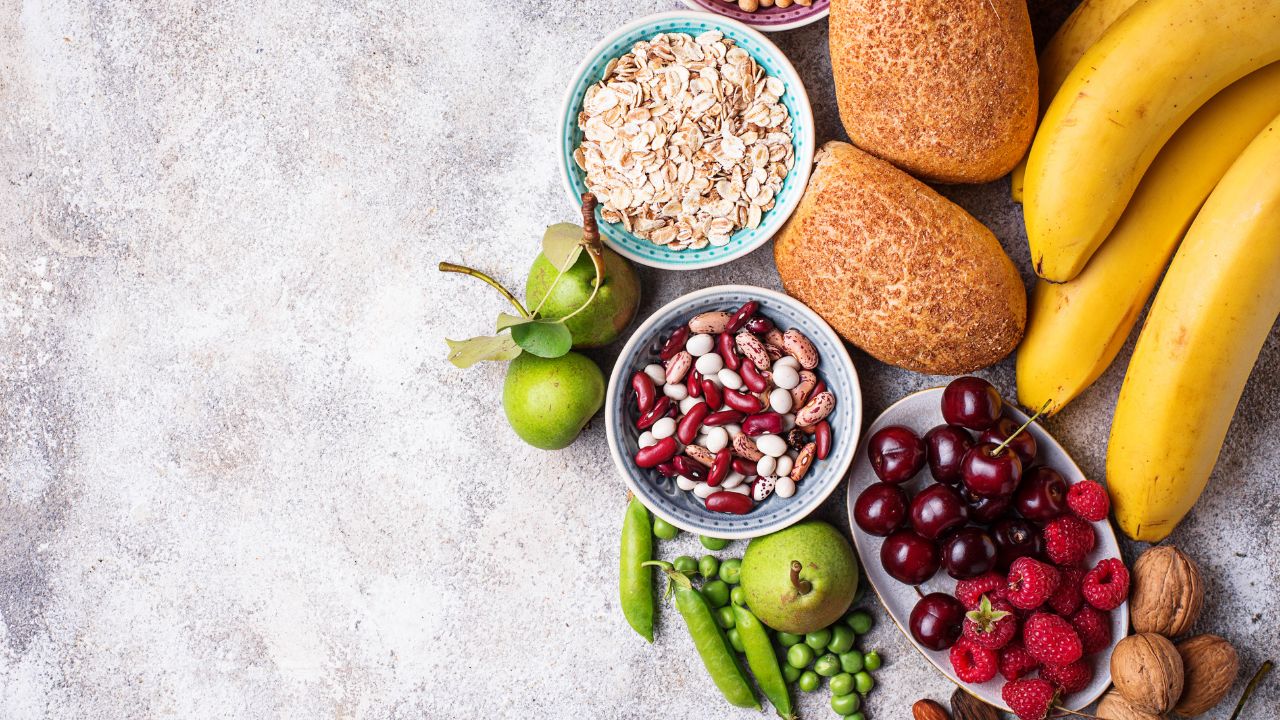


You wake up hungry, but you don’t want a breakfast that leaves you searching for a snack an hour later.
So you make a warm bowl of oats.
Maybe you add some fruit, a few nuts, and a little cinnamon. It’s simple, filling, and easy to prepare. But then another question comes to mind:
Can oats actually help you lose weight?
Oats have become a popular breakfast choice for people trying to eat healthier and manage their weight. They’re affordable, easy to prepare, and can be combined with many different foods.
But oats aren’t a magic weight-loss food.
Their real benefit comes from what they can add to your overall diet. Oats contain fiber, provide carbohydrates for energy, and can make a meal more satisfying. When prepared thoughtfully, they can fit comfortably into a healthy weight-loss routine.
At the same time, not every bowl of oatmeal is equally healthy. The toppings, portion size, added sugar, and type of oats you choose can make a big difference.
So, let’s take a closer look at how oats and weight loss are connected and how you can enjoy them without turning a simple breakfast into a calorie-heavy meal.
Why Are Oats Good for Weight Loss?
One of the main reasons oats are often recommended for weight management is their fiber content.
Fiber can help you feel satisfied after eating. This can be useful when you’re trying to manage your food intake because feeling comfortably full may make it easier to avoid unnecessary snacking.
Imagine starting your morning with a breakfast that leaves you hungry again before lunchtime. You may reach for biscuits, chips, or something sweet simply because you need more food.
Now imagine having a bowl of oats with fruit and a source of protein. It may keep you satisfied for longer and make your morning easier to manage.
That doesn’t mean oats automatically cause weight loss.
Instead, they can be one useful part of a balanced diet.
Think of oats as a helpful tool, not a shortcut.
Your overall food choices, portion sizes, physical activity, sleep, and consistency still matter much more than one particular food.
How Does the Fiber in Oats Help?
Fiber is one of the most useful parts of oats when it comes to a healthy diet.
Oats contain a type of soluble fiber called beta-glucan. This fiber can absorb water and form a thicker texture during digestion, which may contribute to feelings of fullness.
This is one reason a bowl of oatmeal can feel more satisfying than a breakfast that contains very little fiber.
For example, a small sweet snack might taste good and give you quick energy, but it may not keep you satisfied for very long.
Oatmeal can be different, especially when combined with other nutritious ingredients.
Adding fruit can provide more fiber, while nuts or seeds can add healthy fats and some protein. You can also pair oats with yogurt or another protein source if you want a more filling breakfast.
The goal isn’t simply to eat more oats.
It’s to build a breakfast that works for you.
How Many Calories Are in Oats?
Calories are an important part of weight management, but they aren’t something you need to fear.
Oats contain calories because they provide your body with energy.
The exact number of calories in a serving depends on the type and amount of oats you use. A serving of dry oats is often around 150 calories, but the final number can change depending on the serving size and what you add.
And this is where things can become confusing.
The oats themselves may be fairly simple, but the toppings can quickly increase the calories in your bowl.
For example:
- Oats + fruit + cinnamon can make a simple breakfast.
- But oats + large amounts of sugar + chocolate + sweetened syrup + high-calorie toppings can turn the same basic breakfast into a much heavier meal.
You don’t need to avoid toppings completely.
The important thing is to be aware of how much you’re adding.
Can Oats Keep You Full for Longer?
One of the biggest reasons people choose oatmeal for weight loss is because it can be a satisfying breakfast.
The combination of carbohydrates and fiber can make oats a useful option when you want a meal that keeps you going through the morning.
Think about a busy day.
You eat breakfast at 8 AM, have classes or work at 9, and don’t get a proper lunch until 1 PM. If your breakfast is not satisfying, those few hours can feel very long.
A bowl of oats prepared with nutritious ingredients may help you feel more comfortable until your next meal.
However, fullness is different for everyone.
One person may feel satisfied after a small bowl, while another may need a larger meal or additional protein.
That’s completely normal.
Instead of trying to make oats control your hunger, focus on creating a balanced breakfast that satisfies you.
Are All Oats Good for Weight Loss?
Not exactly.
There are different types of oats, including:
- Rolled oats
- Steel-cut oats
- Quick oats
- Instant oats
The basic ingredient is still oats, but the level of processing and the way they’re prepared can differ.
Plain oats are generally easy to include in a healthy diet.
The bigger concern is often flavored or heavily sweetened oatmeal products.
Some packaged oatmeal products can contain added sugar or other ingredients that make them much sweeter than plain oats.
This doesn’t mean you can never eat flavored oats.
It simply means that if you’re trying to manage your weight, checking the nutrition label can help you understand what you’re actually eating.
Sometimes the problem isn’t the oats.
It’s everything added to them.
How to Make Oatmeal More Filling
If you’re eating oats for weight loss, you don’t have to eat a plain bowl of oatmeal every day.
You can make your breakfast more satisfying by combining oats with other nutritious foods.
For example, you could add:
Fruit
Bananas, apples, berries, or other fruits can add natural sweetness and fiber.
Nuts and Seeds
A small amount can add healthy fats and make your meal more satisfying.
Yogurt
Adding yogurt can increase the protein content of your breakfast.
Cinnamon
A simple way to add flavor without relying heavily on sugar.
Milk
Milk can make oatmeal creamier and add protein and other nutrients.
You don’t need to use all of these at once.
Choose a combination that you enjoy and that fits your daily eating pattern.
Common Oatmeal Mistakes That Can Affect Weight Loss
Oatmeal can be healthy, but a few common habits can make it less useful for weight management.
Adding Too Much Sugar
Oats don’t need several spoonfuls of sugar to taste good.
If you’re used to very sweet oatmeal, try reducing the amount gradually. Fruit, cinnamon, or a small amount of another sweet ingredient can provide flavor without making the entire bowl extremely sweet.
Using Huge Portions
Oats are nutritious, but eating very large portions can still add a significant number of calories.
You don’t need to make your bowl enormous just because oats are considered healthy.
Adding Too Many High-Calorie Toppings
Nuts, nut butter, chocolate, dried fruit, and seeds can all be nutritious.
But portions still matter.
A small amount can add flavor and nutrients, while large amounts can quickly increase the total calories of your breakfast.
Choosing Oatmeal That Is Mostly Added Sugar
Some flavored oatmeal products are much sweeter than plain oats.
If you’re buying packaged oatmeal, check the nutrition label and look at the added sugar and serving size.
Can You Eat Oats Every Day for Weight Loss?
Yes, oats can be eaten regularly if they fit into your overall diet.
But you don’t have to eat them every day.
Eating the same breakfast repeatedly can become boring, and variety is useful when you’re trying to build healthy habits that last.
You can have oatmeal on some mornings and choose eggs, yogurt, whole grains, or another balanced breakfast on other days.
The goal isn’t to find one breakfast that you can eat forever.
It’s to create a healthy eating pattern that you actually enjoy.
If you love oats and they work well for your routine, there’s no reason you can’t include them regularly.
Simple Ways to Include Oats in a Weight-Loss Diet
The easiest way to make oats part of your routine is to keep them simple.
Start with a reasonable serving of oats and add foods that make the meal more balanced.
For example, oatmeal with fruit and a source of protein can be a simple breakfast. You can also experiment with overnight oats if you prefer something cold or need a breakfast that can be prepared the night before.
You don’t need expensive ingredients or complicated recipes.
A healthy breakfast should fit into your real life.
If you’re rushing to college or work every morning, a breakfast that takes ten minutes to prepare may not be realistic. Overnight oats or a simple bowl prepared in advance may work better.
Your Example: This is a natural place to add your own content. You can describe your preferred way of eating oats, a simple oatmeal combination, or a common breakfast habit that people could improve.
Oats and Weight Loss: What Really Matters?
It’s easy to become focused on whether one particular food is going to help you lose weight.
But weight loss doesn’t work that way.
You don’t lose weight because you ate oats on Monday morning.
You make progress because your overall habits are consistent over time.
That means eating balanced meals, managing portions, staying physically active, getting enough sleep, and creating habits that you can maintain.
Oats can support that routine because they are a nutritious, flexible food that can make a satisfying breakfast.
But they aren’t a replacement for the rest of your lifestyle.
This is an important difference between using food as part of a healthy diet and expecting food to do all the work for you.
Key Takeaways
Oats can be a useful addition to a weight-loss diet because they provide fiber, carbohydrates, and other nutrients while making a satisfying breakfast.
The important thing is how you prepare and portion them.
Remember:
- Oats can fit into a healthy weight-loss diet.
- Their fiber content may help you feel satisfied.
- Plain oats are usually easier to control than heavily sweetened versions.
- Fruit, yogurt, nuts, and seeds can add flavor and nutrients.
- Large portions and excessive toppings can increase the calories of your meal.
- Oats don’t directly burn fat or cause weight loss on their own.
- Your overall diet and lifestyle matter more than one food.
Final Verdict
So, can oats help you lose weight?
Yes, they can be a helpful part of a healthy weight-loss diet.
Oats provide fiber, are easy to prepare, and can make a satisfying breakfast when paired with nutritious ingredients. They can also be adapted to different tastes and routines, which makes them easier to include consistently.
But oats aren’t a magic food.
A bowl of oatmeal loaded with sugar and high-calorie toppings won’t automatically become a weight-loss meal just because it contains oats. The portion size, ingredients, and your overall diet still matter.
If you enjoy oats, there’s no need to remove them from your diet while trying to lose weight. Keep your portions reasonable, choose nutritious toppings, and focus on creating meals that keep you satisfied.
In the end, successful weight loss isn’t about finding one perfect food.
It’s about building simple habits that you can continue long after the first few weeks.
And if a warm, satisfying bowl of oats helps make that routine easier, then oats can absolutely have a place in it.