
When you’re trying to lose weight, you may start looking at food a little differently.
That morning omelette isn’t just an omelette anymore. You may find yourself wondering how many calories are in it, how much oil was used, and whether it actually fits into your daily goals.
Eggs often come up in these conversations because they are simple, affordable, and easy to prepare. But are eggs actually low in calories? And can you eat them regularly while trying to lose weight?
The good news is that eggs can absolutely fit into a healthy weight-loss diet.
A typical large egg contains around 70–80 calories, along with protein and other nutrients. However, the total calories of your meal can change depending on how you cook the egg and what you add to it.
So, the egg itself may not be the thing you need to worry about.
Sometimes, it’s everything around it.
Let’s take a closer look at egg calories and how you can enjoy them without making your meals unnecessarily heavy.
How Many Calories Are in One Egg?
A typical large egg contains around 70–80 calories.
The exact number can vary depending on the size of the egg, but this gives you a useful general idea when planning your meals.
Eggs also provide protein and several important nutrients, which is one reason they can be a practical choice when you’re trying to build a balanced diet.
For someone trying to lose weight, calories matter because your overall calorie intake plays an important role in weight management.
However, that doesn’t mean you need to count every single calorie forever.
Understanding the approximate calorie content of common foods can simply help you make more informed choices.
For example, if you enjoy two eggs for breakfast, you know that the eggs themselves contribute roughly 140–160 calories. You can then build the rest of your meal around them.
That might include vegetables, whole-grain toast, or fruit depending on your needs.
The goal isn’t to make food stressful.
It’s to understand what you’re eating.
Do Eggs Have Too Many Calories for Weight Loss?
Short Answer. No.
Eggs are not particularly high in calories, and they can easily fit into a calorie-conscious diet.
In fact, one reason eggs are popular for weight loss is that they provide protein without requiring a very large number of calories.
But here’s something important to remember:
A food doesn’t need to be extremely low in calories to be healthy.
What matters is how the food fits into your overall diet.
For example, eating a balanced breakfast containing eggs may be more satisfying than eating a very small breakfast that leaves you hungry again an hour later.
If you are constantly hungry, you may find yourself eating more snacks later in the day.
So instead of asking, “Is this food low enough in calories?” it can be more useful to ask:
“Does this food give me useful nutrients and fit into my overall eating pattern?”
Eggs can often fit both of those goals.
How Cooking Methods Change Egg Calories
The egg itself doesn’t change dramatically just because you cook it differently.
What can change the calorie content is what you use while cooking it.
This is especially important when you’re trying to understand why two egg dishes can have very different calorie totals.
Boiled Eggs
Boiled eggs are one of the simplest options because you don’t need to add oil or butter during cooking.
They’re convenient, easy to prepare, and can be made ahead of time.
You can have them with vegetables, fruit, or whole-grain toast to create a more balanced meal.
Scrambled Eggs
Scrambled eggs can also be a healthy choice.
The main thing to watch is how much butter, oil, cream, cheese, or other ingredients you add.
A simple serving of scrambled eggs can be quite different from a heavily loaded version.
Fried Eggs
Fried eggs can still be part of a healthy diet.
However, the amount of oil or butter used for frying adds extra calories.
You don’t have to completely avoid fried eggs. If you enjoy them, simply be mindful of how much cooking fat you’re using.
Omelettes
Omelettes can be a great way to combine eggs with vegetables.
Adding ingredients such as tomatoes, onions, spinach, peppers, or mushrooms can make the meal more varied and nutritious.
Again, the total calories will depend on what you add.
The important lesson is simple:
The cooking method matters, but the ingredients you add matter too.
Are Egg Whites Lower in Calories?
Yes, egg whites contain fewer calories than whole eggs because most of the egg’s fat is found in the yolk.
This is why you may see people eating only egg whites when they’re trying to reduce calories.
However, that doesn’t mean you have to avoid the yolk.
The yolk contains several nutrients, so removing it isn’t automatically healthier.
For many people, eating the whole egg can be a perfectly reasonable choice.
If you have specific dietary or medical concerns, your individual needs may be different. But for general healthy eating, there’s no need to assume that whole eggs are something you must avoid simply because you’re trying to lose weight.
The bigger picture of your diet matters much more.
Can Eggs Fit Into a Calorie Deficit?
If you’ve researched weight loss, you’ve probably come across the term calorie deficit.
In simple words, a calorie deficit means consuming fewer calories than your body uses over time.
This is one of the main factors involved in weight loss.
Eggs can easily fit into this approach because they provide protein and can be included in meals without using a huge portion of your daily calorie intake.
For example, you could have eggs with vegetables for breakfast, a balanced lunch, and a nutritious dinner while keeping your overall intake appropriate for your goals.
But don’t make the mistake of thinking that eating fewer and fewer calories is always better.
Your body still needs enough energy and nutrients to function properly.
Weight loss should be about creating sustainable habits rather than trying to survive on the smallest amount of food possible.
What Can Make an Egg Meal High in Calories?
Sometimes people look at an egg dish and think, “Eggs are healthy, so this entire meal must be low in calories.”
That’s not always true.
The ingredients added to your eggs can significantly change the total calorie content.
For example:
- Eggs + vegetables can create a simple, balanced meal.
- Eggs + lots of butter + cheese + processed meat + sauces can become a much heavier meal.
Again, this doesn’t mean you can never enjoy cheese, butter, or other ingredients.
Food doesn’t have to be perfect.
It’s simply useful to understand that the calories in your meal come from everything on the plate—not just the eggs.
This can help you make small changes without completely changing the foods you enjoy.
Simple Ways to Keep Egg Meals Balanced
If you’re trying to include eggs in your weight-loss diet, you don’t need to make every meal complicated.
Start with the eggs and build around them.
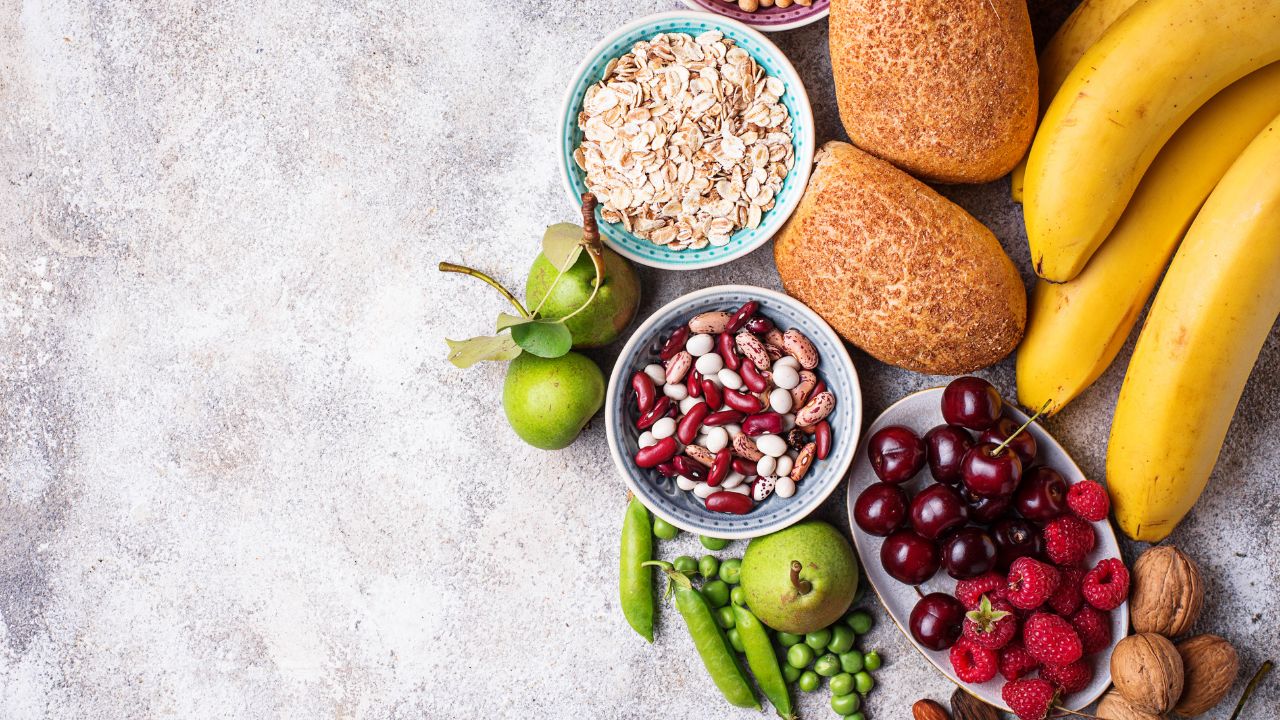
You could add vegetables for fiber and nutrients, whole-grain toast or another carbohydrate source for energy, and fruit if you want something naturally sweet.
For example, a simple breakfast could include:
Two eggs + vegetables + whole-grain toast + fruit
You don’t need to copy this exact combination. The idea is simply to create a meal with a variety of foods instead of relying on eggs alone.
And if you enjoy a richer egg dish occasionally, that’s okay too.
One meal doesn’t determine your progress.
Your overall eating pattern is what matters.
Common Mistakes When Counting Egg Calories
Understanding calories can be helpful, but it can also become confusing if you focus too much on individual numbers.
Here are some common mistakes to avoid.
Focusing Only on the Egg
People sometimes count the calories in the eggs but forget about the oil, butter, cheese, sauces, and other ingredients.
Remember to look at the complete meal.
Avoiding the Yolk Completely
Egg yolks contain nutrients and don’t need to be automatically removed just because you’re trying to lose weight.
Eating Too Little
Reducing calories doesn’t mean you should constantly feel weak or hungry.
Your body still needs enough energy and nutrients.
Thinking One Food Determines Weight Loss
Eating eggs won’t automatically make you lose weight, just as eating one high-calorie meal won’t automatically make you gain weight.
Your habits over time matter much more than one meal.
A Simple Way to Think About Egg Calories
Instead of worrying about whether eggs are “good” or “bad,” think about how they fit into your day.
If eggs help you create a satisfying breakfast and you enjoy eating them, they can be a useful part of your routine.
You don’t have to avoid foods simply because they contain calories.
Calories are energy, and your body needs energy.
The goal during weight loss is to find a balance where you’re eating enough nutritious food while staying within an overall calorie intake that supports your goals.
That approach is much more sustainable than trying to eliminate every food that contains calories.
Key Takeaways
Eggs can easily be included in a healthy weight-loss diet.
A typical large egg contains around 70–80 calories, along with protein and other nutrients. The total calories of an egg meal depend largely on how you prepare it and what you add.
Keep these points in mind:
- A large egg contains roughly 70–80 calories.
- Eggs provide protein and other important nutrients.
- Boiled eggs don’t require added cooking fat.
- Oil and butter can increase the calories in fried or scrambled eggs.
- Whole eggs can fit into a balanced weight-loss diet.
- Egg whites contain fewer calories than whole eggs, but the yolk also provides nutrients.
- The calories in your complete meal matter more than the egg alone.
- Weight loss depends on your overall eating pattern, not one food.
Final Verdict
So, can eggs fit into a weight-loss diet?
Absolutely.
Eggs are relatively moderate in calories, provide protein, and are versatile enough to fit into many different meals. They can be boiled, scrambled, fried, or turned into an omelette depending on what you enjoy.
The key is to look beyond the egg itself.
A simple egg meal with vegetables and whole grains can be a nutritious choice, while large amounts of oil, butter, cheese, or other calorie-dense ingredients can make the same meal much heavier.
You don’t need to fear calories, and you don’t need to remove eggs from your diet just because you’re trying to lose weight.
Instead, focus on understanding your portions, choosing nutritious ingredients, and creating meals you can enjoy consistently.
Eggs don’t have to be a weight-loss food or a weight-gain food. They’re simply a nutritious food that can fit into the bigger picture of a balanced diet.