
When people think about weight loss, they often focus on eating less. While reducing calorie intake is important, the type of food you eat also matters. One nutrient that gets a lot of attention in the weight loss world is protein.
Protein can help you stay full for longer, support muscle health, and make it easier to maintain healthy eating habits. This is why many weight loss plans include a higher amount of protein-rich foods.
The good news is that adding more protein to your diet does not have to be complicated. Simple changes can help you get more protein while supporting your weight loss goals.
What Is a High Protein Diet?
A high protein diet is a way of eating that includes a larger amount of protein than a typical diet.
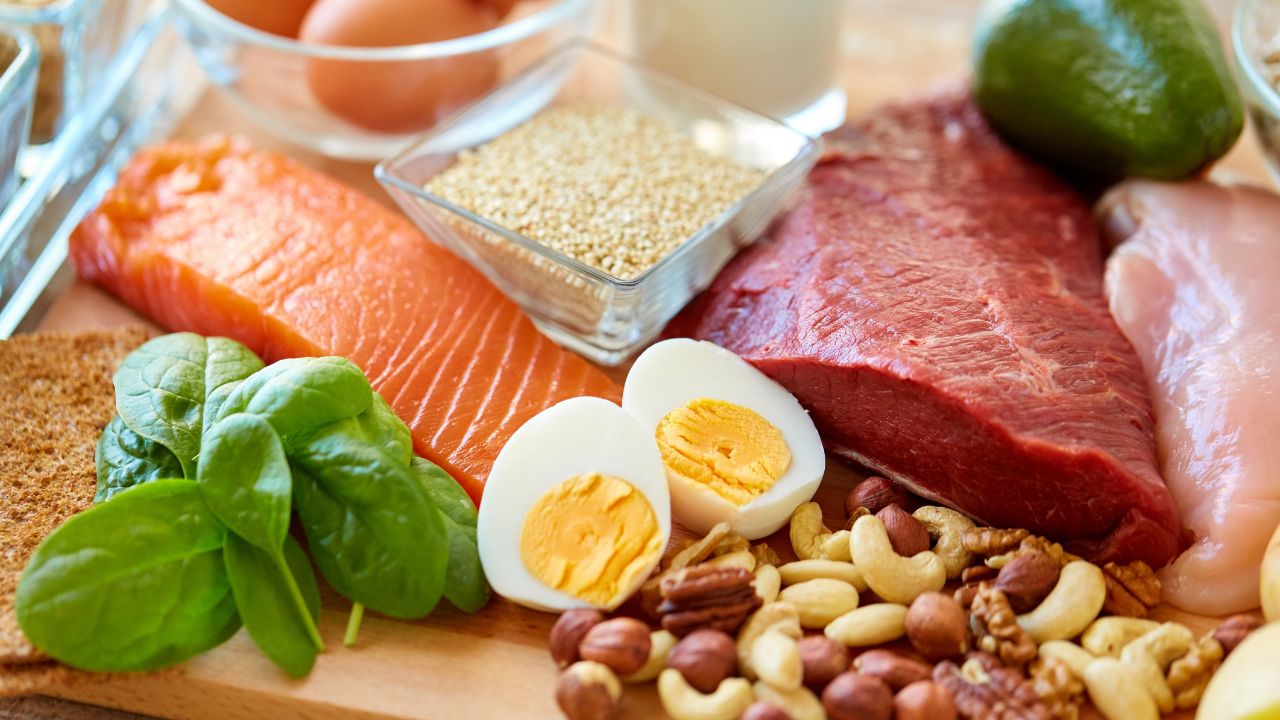
Protein-rich foods include meat, fish, eggs, dairy products, beans, lentils, tofu, and protein supplements.
Many people follow a high protein diet when trying to lose weight because protein can help control hunger and support muscle maintenance during fat loss.
What Is Protein?
Protein is one of the main nutrients your body needs to function properly.
It is made up of amino acids, which help build and repair tissues throughout the body. Protein is important for muscles, skin, hair, and many other parts of the body.
Your body uses protein every day, which is why getting enough protein from food is important for overall health.
How Much Protein Is Healthy?
The amount of protein a person needs depends on factors such as age, activity level, body weight, and health goals.
People who exercise regularly or are trying to lose weight often need more protein than people who are less active.
For most healthy adults, increasing protein intake through balanced meals can be a safe and effective way to support weight loss and muscle maintenance.
Benefits of a High Protein Diet
A high protein diet can provide several benefits.
One of the biggest benefits is that protein helps you feel full for longer. This may help reduce unnecessary snacking and make it easier to control calorie intake.
Protein also helps maintain muscle while losing weight. This is important because preserving muscle can support metabolism and improve body composition.
Many people also find that protein-rich meals help them stay satisfied between meals.
Good Protein vs Less Healthy Protein Sources
Not all protein sources are equal.
Good protein sources are usually nutrient-rich and contain important vitamins and minerals along with protein.
Examples include:
- Lean chicken
- Fish
- Eggs
- Greek yogurt
- Cottage cheese
- Lentils
- Beans
- Tofu
Less healthy protein sources may contain large amounts of added fats, sugar, sodium, or processing.
Examples include:
- Processed meats
- Deep-fried meats
- Highly processed snacks marketed as protein foods
Choosing high-quality protein sources can help support healthy weight loss and overall health.
Can Protein Help Boost Metabolism?
Protein requires more energy to digest than fats and carbohydrates.
This means your body burns a few more calories while processing protein-rich foods. This effect is sometimes called the thermic effect of food.
While protein alone will not cause dramatic weight loss, it can support a healthy metabolism when combined with a balanced diet and regular exercise.
Benefits of Protein During Weight Loss
One challenge many people face during weight loss is losing muscle along with fat.
Protein can help reduce this problem by supporting muscle maintenance during a calorie deficit.
Maintaining muscle is important because muscle tissue helps your body use energy more efficiently.
This is one reason why protein is often recommended during healthy weight loss programs.
Should I Try a High Protein Diet?
A high protein diet may be helpful for people who want to lose weight, maintain muscle, or improve appetite control.
However, every person is different. The best diet is usually one that fits your lifestyle and can be followed consistently.
Rather than making extreme changes, many people find success by gradually adding more protein-rich foods to their meals.
Can Protein Shakes Help With Weight Loss?
Protein shakes can be a convenient way to increase protein intake.
They may help support weight loss when used as part of a balanced diet and healthy lifestyle.
However, protein shakes should not replace whole foods completely. Foods such as fish, eggs, dairy products, beans, and lean meats provide additional nutrients that are important for overall health.
What Is the Connection Between Protein and Weight Loss?
Protein supports weight loss in several ways.
It can help reduce hunger, increase feelings of fullness, support muscle maintenance, and slightly increase calorie burn through digestion.
These benefits can make it easier for people to stick to a healthy eating plan and maintain a calorie deficit over time.
Final Verdict
A high protein diet is one of the most effective nutrition strategies for healthy weight loss. Protein helps control hunger, supports muscle maintenance, and may slightly increase calorie burn during digestion.
The best approach is to include a variety of high-quality protein foods as part of a balanced diet. Combined with regular exercise and healthy habits, protein can be a valuable tool for achieving long-term weight loss goals.
Frequently Asked Questions
What is a high protein diet?
A high protein diet includes a larger amount of protein-rich foods compared to a typical diet.
How much protein should I eat each day?
Protein needs vary based on age, body weight, activity level, and personal goals.
Can protein shakes help with weight loss?
They can help increase protein intake and support weight loss when used as part of a balanced diet.
Which protein is best for weight loss?
Lean protein sources such as fish, chicken, eggs, dairy products, beans, and lentils are often good choices.
Does protein help burn fat?
Protein can support fat loss by helping control hunger and maintain muscle during weight loss.
Is a high protein diet safe?
For most healthy people, a balanced high protein diet can be safe and beneficial.